

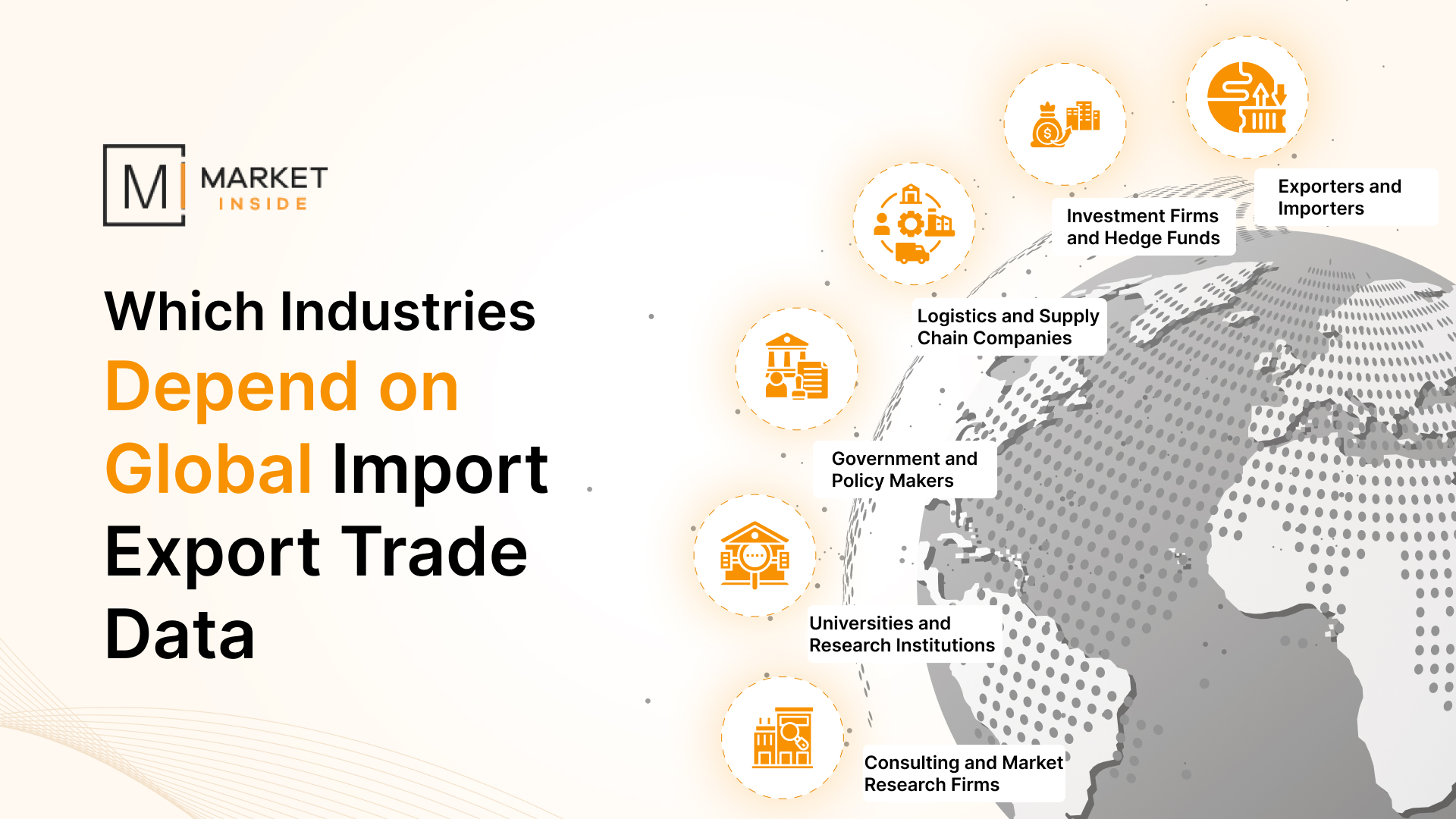
In an era defined by supply-chain disruptions, shifting trade policies, and intensifying global competition, industries can no longer rely on instinct alone. Global import export trade data has emerged as a critical intelligence layer, helping businesses understand where goods move, who controls supply, how prices fluctuate, and which markets are gaining momentum. What was once used mainly by traders is now a strategic asset for manufacturers, logistics firms, banks, investors, and policymakers alike.
By analyzing shipment data, tariff trends, and buyer–supplier relationships, industries gain early signals of demand shifts, competitive threats, and growth opportunities. Those that leverage trade data make faster, more confident decisions—while those that don’t risk falling behind in an increasingly data-driven trade landscape. Market Inside explains which industries use export import data and for what purpose.
List of Industries That Use Global Trade Data and Why

Why they rely on trade data:
Manufacturers use import export data to track raw material availability, sourcing costs, supplier countries, and competitor shipments. It helps optimize procurement, reduce dependency risks, and identify export markets for finished goods.
Key use cases: supplier diversification, cost benchmarking, demand forecasting

Why they rely on trade data:
Traders depend on trade data to find new buyers and suppliers, analyze pricing trends, validate demand, and track competitor activity in global markets.
Key use cases: buyer discovery, market entry, pricing strategy
Logistics and Supply Chain Companies
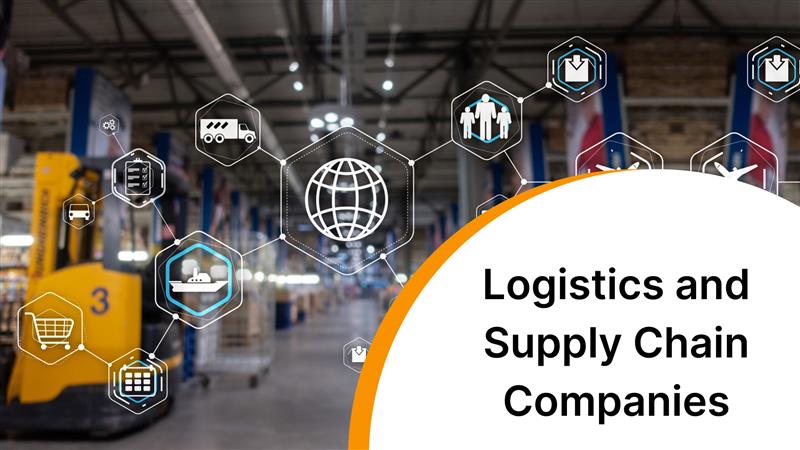
Why they rely on trade data:
Logistics firms analyze shipment volumes, trade routes, and port activity to plan capacity, optimize routes, and anticipate demand surges.
Key use cases: route optimization, capacity planning, freight demand forecasting
Book A Demo
Banking and Financial Institutions

Why they rely on trade data:
Banks and NBFCs use trade data to assess credit risk, trade finance opportunities, counterparty credibility, and country exposure.
Key use cases: trade finance, risk assessment, client due diligence
Investment Firms and Hedge Funds

Why they rely on trade data:
Investors use import–export data as an early economic indicator to track sector performance, company growth, and global demand shifts before earnings reports.
Key use cases: market intelligence, macroeconomic forecasting, stock analysis
Consulting and Market Research Firms

Why they rely on trade data:
Consultants rely on verified trade flows to deliver data-backed market sizing, competitive benchmarking, and strategic recommendations. Market Research companies use our data to study the global market and prepare research reports.
Key use cases: market entry strategy, competitor analysis, industry reports

Why they rely on trade data:
Governments use trade data to formulate trade policies, tariff structures, FTAs, export incentives, and national competitiveness strategies.
Key use cases: policy planning, trade negotiations, export promotion
Universities and Research Institutions

Why they rely on trade data:
Academic institutions use trade data for economic research, trade modeling, globalization studies, and policy impact analysis.
Key use cases: academic research, economic forecasting, policy evaluation
In today’s fragmented and fast-moving global economy, global import export trade data has become more than a reference tool—it is a strategic necessity. Industries that consistently analyze trade flows gain early visibility into demand shifts, pricing trends, supplier movements, and emerging markets, allowing them to move faster and smarter than competitors. From manufacturing and logistics to finance and consulting, data-driven organizations reduce risk, optimize supply chains, and uncover opportunities before they become mainstream.
As trade policies evolve and competition intensifies, the real advantage lies in turning raw data into actionable intelligence. Businesses that rely on intuition alone risk falling behind, while those equipped with accurate, timely trade insights stay resilient and competitive.
Want to see how leading industries transform global trade data into winning strategies?
Explore Market Inside, a powerful trade intelligence platform that delivers HS-code-level data, buyer–supplier insights, and real-time market trends. Make confident decisions, spot opportunities early, and stay ahead in global trade.
Book a Demo and turn trade data into your competitive edge.