
China’s EV Exports boom

China’s Electric Vehicle Industry Shifts Gears: From Subsidies to Global Expansion

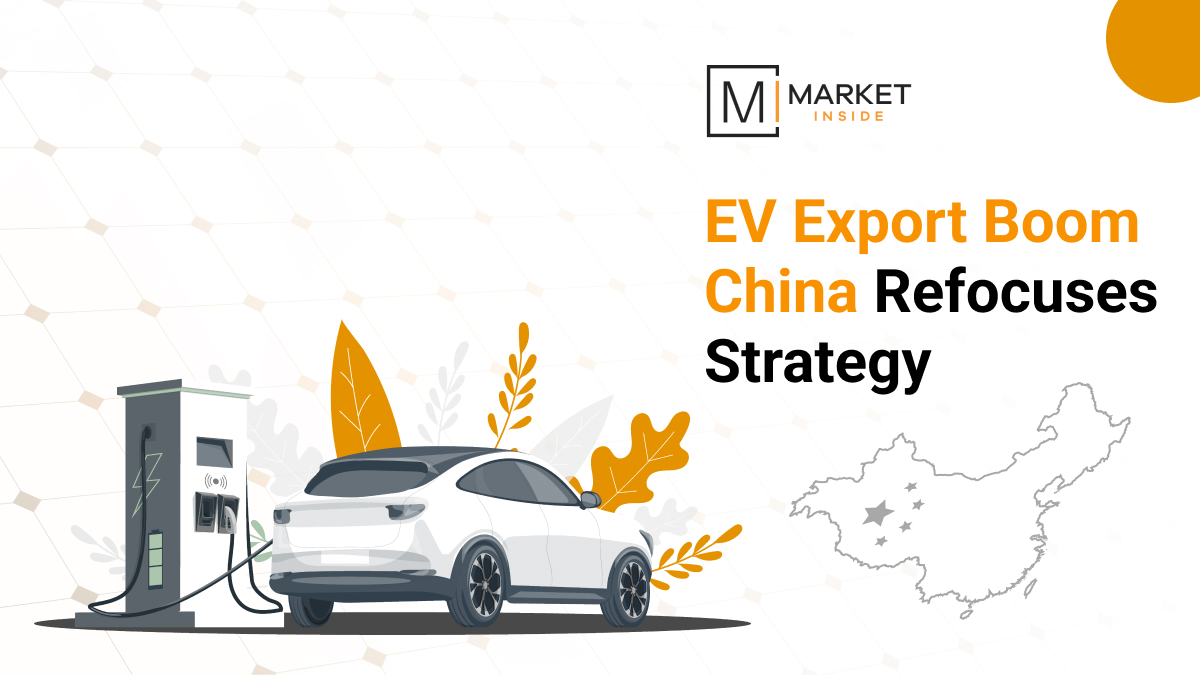
China’s electric vehicle (EV) industry, once fueled by massive state subsidies, is entering a new era. As Beijing unveils its latest Five-Year Plan (2026–2030), one of the most notable shifts is the phase-out of EV subsidies that have powered domestic demand for over a decade. Instead, policymakers are pivoting toward a model that emphasizes export growth, innovation, and global competitiveness. From Subsidy-Fueled Growth to Self-Sustaining Industry Over the past ten years, generous government support—through direct subsidies, tax incentives, and infrastructure investment—turned China into the world’s largest EV market. By 2024, China accounted for more than 60% of global EV sales. But as the EV market matures, the government believes the time has come to wean the sector off state aid.

Read More

China Continues Oil Imports from Russia and Iran Amid U.S. Pressure

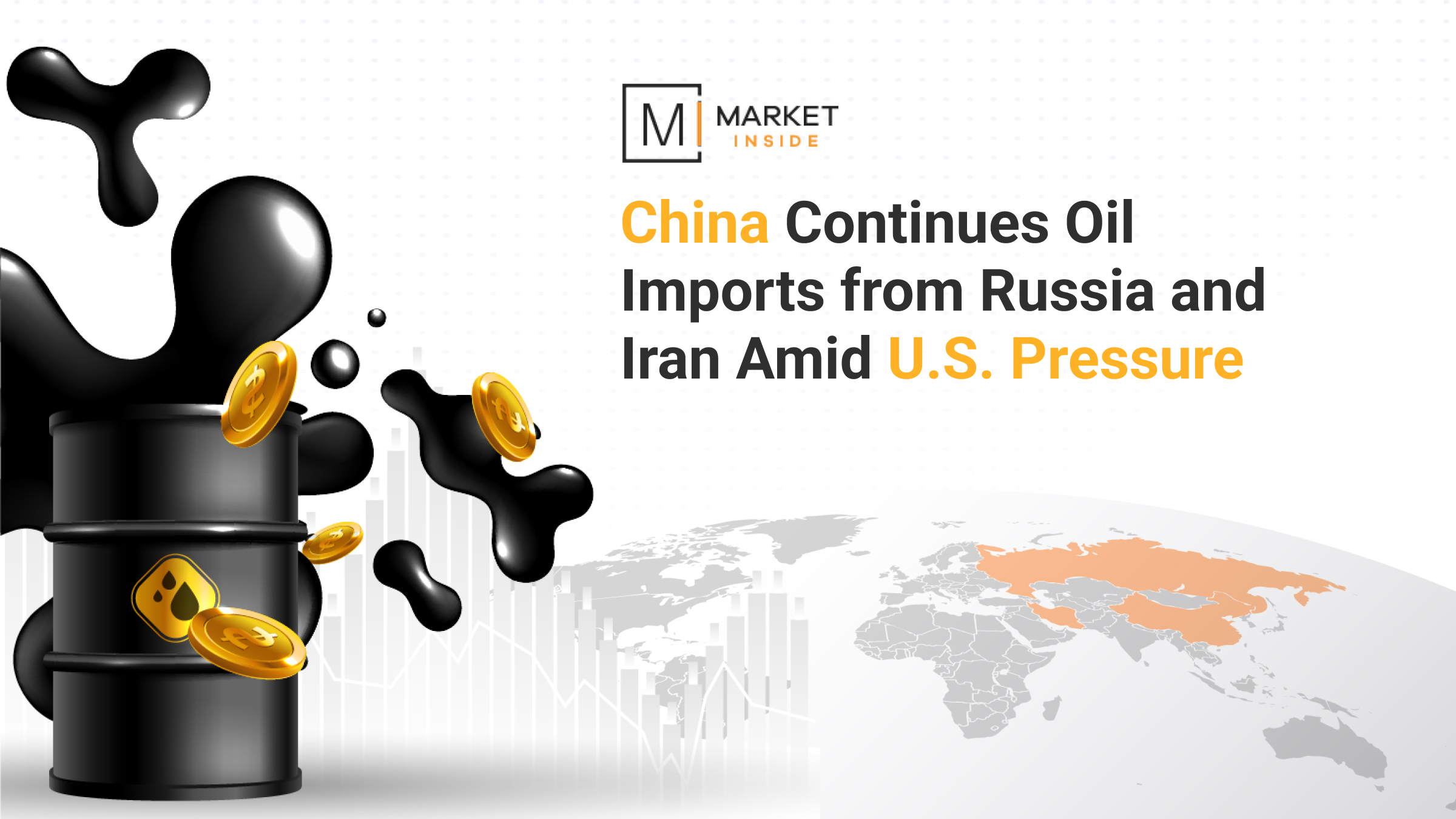
Despite mounting diplomatic pressure and the U.S.-China deal, China has continued to import significant volumes of oil from Russia and Iran. This ongoing trade reflects Beijing’s determination to prioritize energy security and economic interests over Western geopolitical concerns. As tensions rise between major global powers, China’s actions highlight a shifting international order in which traditional alliances and sanctions are increasingly tested by pragmatic national strategies. US and Chinese officials may be able to settle many of their differences to reach a trade deal and avert punishing tariffs. Still, they remain far apart on one key issue: the US demand that China halt its purchases of oil from Iran and Russia. Market Inside provides in-depth insights of China’s imports of crude

Read More

China’s European Ambitions: Trade, Tech, and Influence

As tensions rise between global powers, China is quietly but assertively expanding its reach across Europe. From strategic investments in ports and energy infrastructure to aggressive moves in electric vehicles and green technology, Beijing sees the European Union not just as a vital export market, but as a key arena in its broader quest for global influence. Beyond trade, China seeks access to advanced European technology, deeper political ties, and a less united Western front, especially as transatlantic relations shift. This Market Inside blog unpacks what China wants from Europe, how it’s working to get it, and why the EU is increasingly wary of the costs. China’s Trade with Europe As two of the world’s largest economies, China and the

Read More

UK, EU Impose New Russia Sanctions, US on Sidelines

In a significant move that signals growing strategic assertiveness from European powers, the United Kingdom and the European Union have jointly imposed a fresh round of sanctions on Russia — notably without waiting for coordination or backing from the United States. Russia has already been under sanctions from the EU, UK, and other countries due to its attack on Ukraine. Everything about this development is explained here with Market Inside stats. A Decisive European Step The new sanctions, announced in mid-May 2025, target key sectors of the Russian economy, including energy, finance, and defense, as well as several high-ranking Russian officials and companies. The measures are seen as a direct response to ongoing Russian aggression in Ukraine and its broader

Read More

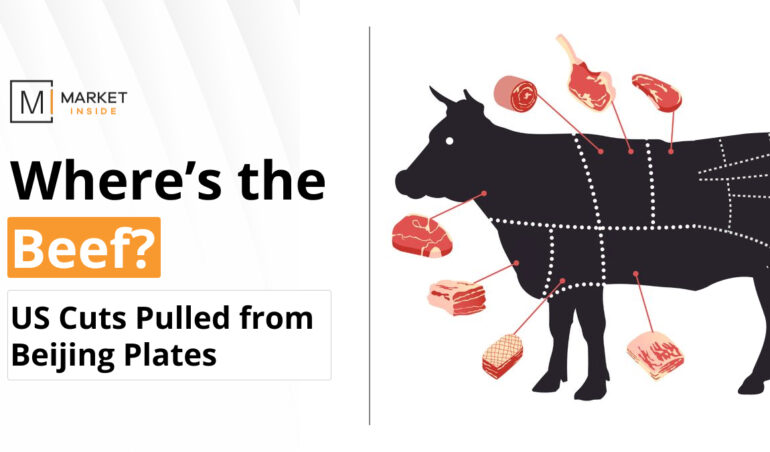
US Beef Vanishes from Beijing Menus Amid Trade Tensions

As the U.S.-China trade war simmers into its latest chapter, the fallout is now being felt on dinner plates across Beijing. American-style restaurants in the Chinese capital quietly remove U.S. beef from their menus, citing rising tariffs, supply disruptions, and growing uncertainty in the import market. Once a staple of upscale dining and Western-themed eateries, U.S. beef is becoming harder to find, both for chefs and the customers who crave it. How much beef does the US export to China and other countries? Will Australia fulfil China’s demand for beef? Everything is explained with crucial US beef export data in this article. The US-China trade war means American beef, once the star ingredient, will soon be off the table. American

Read More

Global Stock Market Shaken: Did Trump Just Trigger the Next Recession?

Global Stock Market Shaken: Did Trump Just Trigger the Next Recession?

The global trade market has recently experienced significant turbulence, majorly affecting stock markets worldwide. The sudden implementation of heavy tariffs by the US under the presidency of Donald Trump has triggered panic throughout the world. What earlier looked like a policy decision has now turned into a trade war.  According to a report published by Bloomberg quoting JPMorgan Chase & Co chief US economist, Michael Feroli said that “The forecasted contraction in economic activity is expected to depress hiring over time to lift the unemployment rate to 5.3%.” Let us break down into what’s really happening and what it could mean for the future. Trump’s Tariff Announcement and China’s Response  On 2nd of April 2025, US President Donald Trump announced

Read More

How US Tariffs are Igniting Recession and Crippling Global Business

Is the US Economy Facing a Recession-Type Situation?

The potential imposition of significant U.S. tariffs starting April 2, 2025, indicates economic uncertainty, leading to a substantial rise in the price of goods for consumers and businesses. This significantly impacts domestic manufacturers and international companies facing disrupted supply chains and increased import costs.  To cushion the domestic market against the tariff war, the US Federal Reserve has maintained higher interest rates. However, this dampens economic activity and raises potential fears of a global slowdown, fracturing international commerce and fueling trade wars across regions. This raises concerns for businesses, investors, and policymakers worldwide. How Trump’s Tariffs Are Sparking Chances of US Recession The fear of the US recession is continuously growing, and several factors are responsible for this, which are

Read More

Saudi Arabia Fifa

Saudi Arabia: Vision 2030 to FIFA 2034 – A Growth for Country’s Economy

Over the years, Saudi Arabia has implemented several steps to make the country a destination for foreign tourists and diversify its economy from the oil-based to other segments. To achieve this, they set an ambitious goal: Vision 2030. This goal aims to reduce the country’s reliance on oil and develop various sectors such as tourism, entertainment, and technology. It has transformed the country into a global hub for investment, trade, and innovation. To boost and strengthen its ambitious goal, Vision 2030, Saudi Arabia has successfully bid to host the FIFA World Cup of 2034. Hosting this mega event, where millions are expected to come, will present a platform to showcase Saudi’s cultural heritage, modern infrastructure, planned cities, state-of-the-art stadium, business-friendly

Read More

Hong Kong Exports Surge in 2024, Fuelling Economic Growth

Hong Kong, a global financial hub and vibrant international trade center, has long been known for its robust export sector and dynamic economy. As one of the world’s busiest ports, Hong Kong serves as a gateway for commodities entering and leaving China and the broader Asia-Pacific region. The country recorded significant export growth in 2024, particularly in industries such as electronics, machinery, textiles, and high-value services like finance and logistics. Let’s talk about Hong Kong’s exports, its economy, and its budget for 2025-26. Economy Outlook in 2024 Export Growth: Total goods exports increased by 4.5%. Moderate growth: The economy grew by 2.5% despite global challenges. Investment increase: Overall investment expenditure grew by 2.4%. Tourism boost: Visitor numbers rose by 30%

Read More

The Latest and Greatest News

Want Global Trade Insights?
Sign Up to Our Newsletter!