
Key Takeaways The United States is the top car importing country with $183.83Bn in 2025, despite a recent pullback from its 2024 peak. Top 5 of top car importing countries are the US, Germany, the UK, France, and Belgium. Since 2023, China has fallen almost halfway down the list of car-importing countries as its own EV manufacturing has boomed. Spain and the UK are the strongest annual growth markets among car-importing nations, while Brazil leads quarterly growth by a wide margin. The best and most actionable picture of global automotive demand comes from tracking annual and quarterly data from the top car-importing countries. What Are the Top Car Importing Countries? The top car importing countries are the countries that import

Over the years, Gold has earned a significant identity in the international market. Gold has never just been a shiny metal locked in vaults. It is a currency of trust, a trust against inflation and a trust for the economy in the worst times. And, gold export data tells us how the global economy is really moving. If you wonder about “which countries export the most gold?” or “who are the top gold exporting nations in 2026?” This comprehensive guide breaks it down using gold export and import trade data. It also explains how trade data helps businesses, investors, and policymakers face everyday challenges. Why Gold Export Data Matters More to Businesses? In today’s uncertain world, gold trade isn’t just
As the world is adopting fast-paced modern technology, copper is becoming more central to the circulatory system of the modern world economy. It flows through electric vehicles, semiconductors, manufacturing, renewable energy, and industrial machinery. Yet, in 2026, the majority of the procurement teams and supply chain executives are making billions of dollars ‘ worth of copper sourcing decisions with incomplete, outdated, or aggregated trade data. The cost of that blindspot is affecting businesses, market expansion, missed potential suppliers, hidden counterparty risk, lost competitive advantage, and exposure to supply shocks in the world’s most complex commodity markets. This comprehensive report changes all with shipment-level intelligence, historical trade data, and AI-powered insights that separate industry leaders from the rest Why Copper Trade
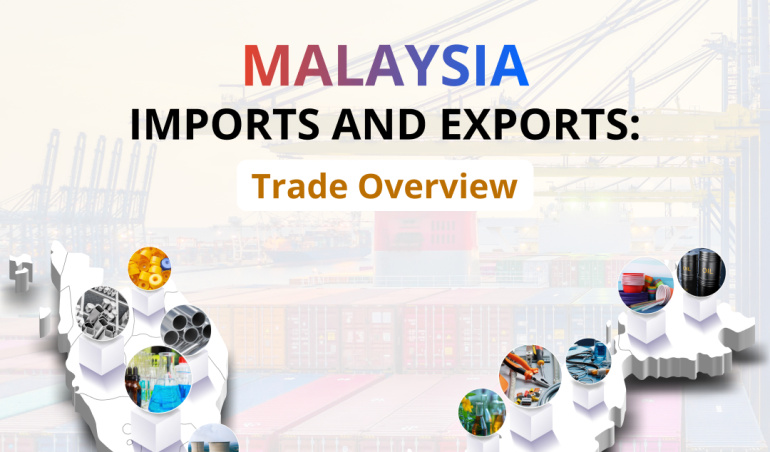
Malaysia, a bustling, vibrant, and growing nation of Southeast Asia, has made itself one of the most notable commercial countries in the world. It is a global powerhouse in semiconductors, electronics manufacturing, industrial machinery, and commodity commerce, serving as a vital gateway that connects Asia-Pacific markets to the rest of the globe. The country is integrated in world supply chains, providing high-value products to large markets in Asia, North America, Europe, and the Middle East. Overview of Malaysia’s Trade Imports and Exports According to OEC, Malaysia’s trade data highlights export growth across major markets, with integrated circuits emerging as the country’s strongest-performing export segment, reinforcing its status as a key manufacturing and export hub in Asia. With whom does Malaysia share
Global Rubber Market Overview Rubber is one of the world’s most strategically critical raw materials. Whether you call it natural rubber, synthetic rubber, or simply look it up under rubber trade data. The global rubber market covers every sector of the modern economy. From the tyres rolling on highways to the surgical gloves in operating theatres, the seals inside jet engines, and the cables running through data centers. The Association of Natural Rubber Producing Countries (ANRPC) estimates that the global rubber market will reach approximately 16 million metric tons annually in 2026. Rubber trade data is one of the most actionable tools for commodity intelligence. Every shipment of rubber, natural or synthetic, crosses borders under a specific HS Code, generating
Donald Trump comes back as US President and heralds a new era for the energy transition, marked by profound trade, geopolitical, and economic risks but also big market opportunities. Trump’s trade wars, China’s clean energy blitz, and the emergence of artificial intelligence are major investment themes to watch in 2025. Trade wars will disrupt the energy transition Trump’s aggressive trade agenda will create a disbalance scenario for the energy transition. Trump’s tariff war would risk re-igniting inflation in the United States, in turn putting upward pressure on interest rates. The situation would threaten to slow global economic growth and further fracture global trade lines. Slower growth, for instance, would be a major headwind for oil and other commodities. China’s dominant
Germany, the largest economy in Europe, recently published its annual government report, revealing its GDP is expected to grow by 0.3% in 2025. This projected growth rate declined from the previous growth rate of 1.1%. In contrast, the German Industry Association revealed that the country’s economy is expected to grow by 0.1% in 2025, marking the third consecutive year of decline. Reports on Germany’s export and import growth rates indicate that the economic fundamentals, monetary policies, and government efforts are not sustainable for lasting growth. Let’s take a deep insight into Germany’s exports and import market, and the factors restricting growth. – Germany: The Old Sick Man of Europe Germany, the largest economy in Europe and 3rd in the world,
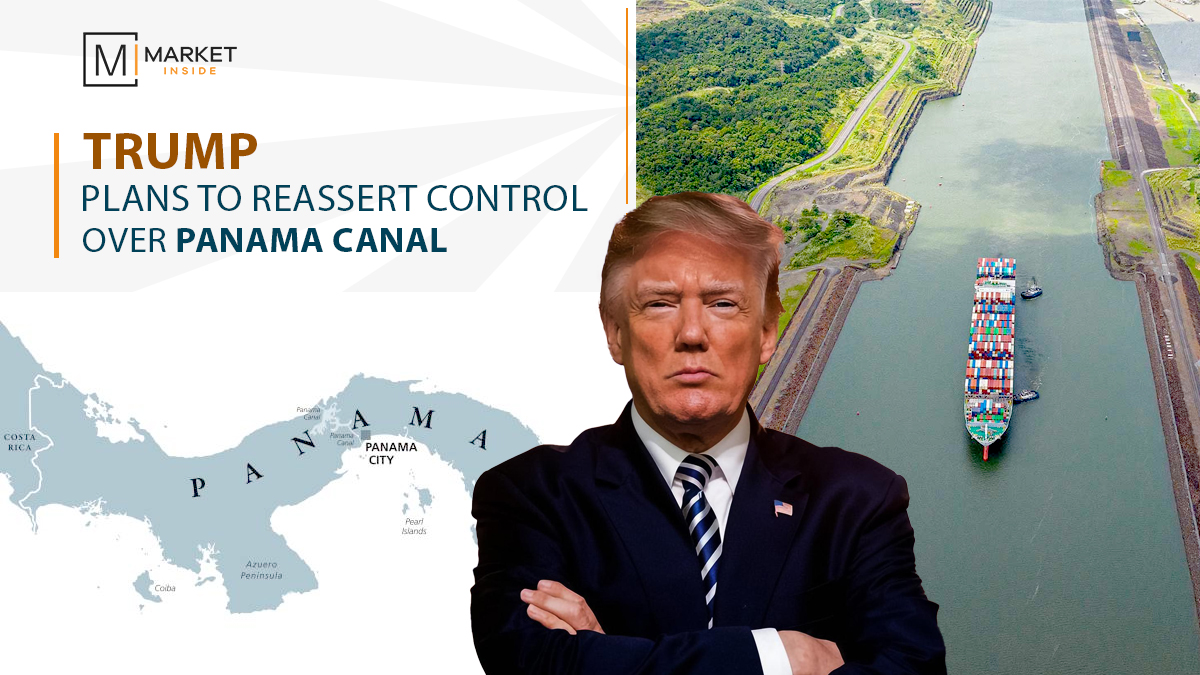
The world is dictated by a powerful nation- the United States. The newly elected President- Donald J. Trump has been steering the world of economics with his headstrong ideologies, transformative reforms, and suggestions. Recently, Mr. Trump has used a series of threats to regain control of Canal de Panamá. He has expressed several disagreements on the activities circulating in the Panama Canal. Let’s discover the Panama Canal’s significance, striking allegations made by Trump about what will happen if Trump takes over the Panama Canal, and how it can affect the economy. Trump’s Plan to Control Panama Canal Donald Trump is in talks to reassert the Control over the Panama Canal. Trump accuses Panama of overcharging Central American waterways. Trump adamantly
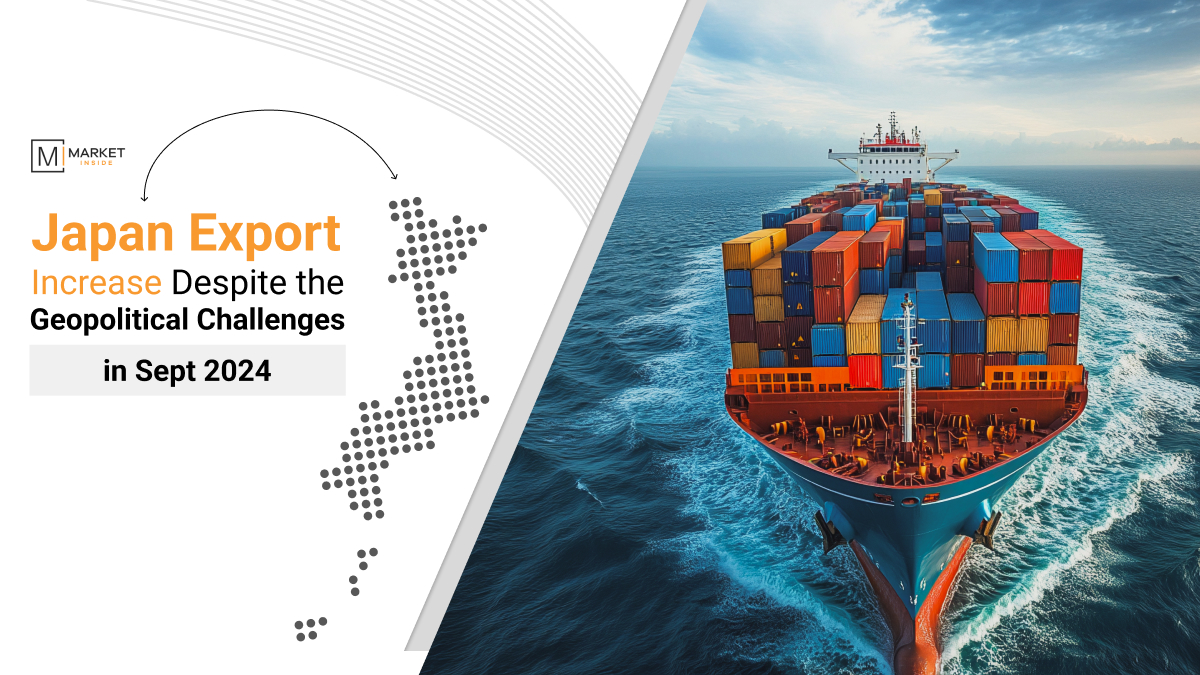
Japan is facing a persistent economic slowdown primarily due to its rapidly growing older population, geopolitical challenges, fear of global recession, and declining birth rate. The change in the demographic structure has resulted in a shrinking workforce. Despite these challenges, the government has maintained economic growth by implementing various monetary policies, fiscal stimulus, technological advancement, etc. Let’s discuss each of them below in the section – Also Read for – Fluctuation In Japan’s Exports To China Japan’s Top Export Partners in 2024 In August 2024, Japan’s exports witnessed a drastic decline of $3.3 billion compared to the previous month. This major fall in the supply of goods comes from a slowdown in global demand for key electronic products, geopolitical tensions,