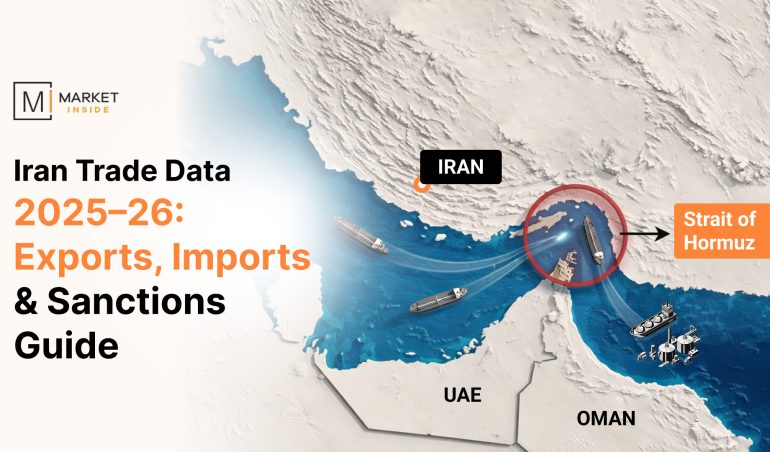

Iran is one of the most strategically located countries near the Strait of Hormuz in this global trade landscape. According to Iran trade data, the country is the 38th largest exporter and the most sanctioned economy worldwide. It also possesses the world’s third-largest oil reserve, accounting for 9% of the global total. Interestingly, Iran produces more saffron than the rest of the world combined. Despite this, Iran’s exports face rotating pressure of international sanctions, currency collapse, and geopolitical alignment. In 2025, Iran’s total trade value reached $77.9 billion in exports and $89.5 billion in imports, covering gold, maize, machinery, and pharmaceuticals. The Strait of Hormuz is not just a narrow chokepoint; it is the physical passage through which almost every
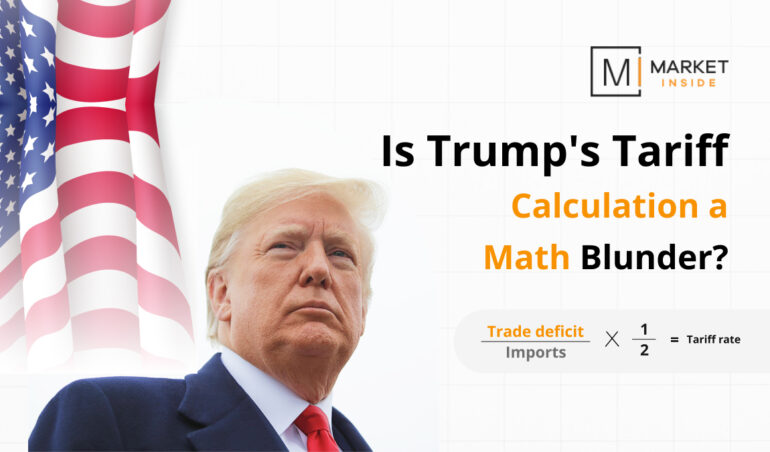
Over the years, tariffs, used to protect domestic industries and regulate unfair trade practices, have taken on a new dimension in this modern trade arena. Tariffs are often calculated based on factors like production costs, market competition, and the need to level the playing field. Countries use this approach to balance national interests with the broader dynamics of international commerce. However, under the Trump administration, the tariff approach has changed. It circled the bilateral trade deficit, considering the volume of trade imbalances rather than traditional economic metrics. This leads to increased costs for businesses and consumers, with potential long-term consequences for economic growth and stability. What is the rationale behind Trump’s tariffs? President Donald Trump has consistently linked the rising
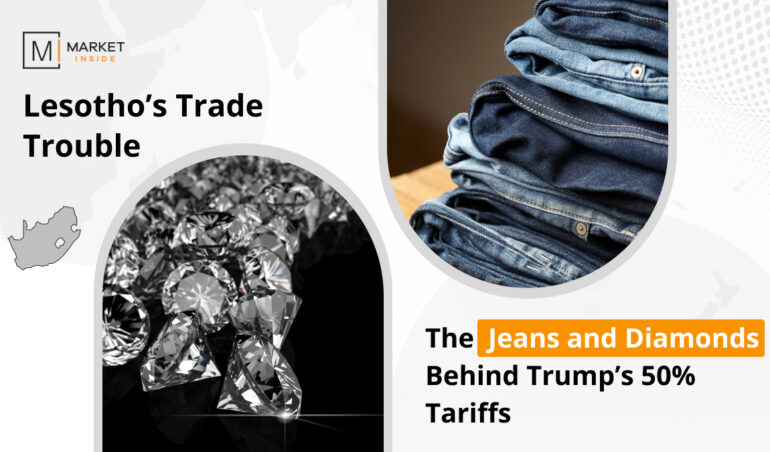
Lesotho, a small landlocked nation in southern Africa, has recently found itself at the center of a significant trade dispute with the United States, primarily due to its exports of textiles—especially jeans—and diamonds. In April 2025, President Donald Trump imposed a 50% tariff on imports from Lesotho, the highest rate applied to any country. How US tariff will impact Lesotho’s apparel and metal industry, particularly jeans and diamonds? A market scenario is explained here with Lesotho export data and US import data. 50% US tariff on Lesotho – what is means Lesotho was slapped with the Trump’s highest tariff rate of 50% on goods exported by the country to the United States. America has a big trade deficit with Lesotho,
On Feb 10, 2025, President Trump made significant changes to US steel and aluminum tariffs under Section 238 of the Trade Expansion Act of 1962, citing the need to protect the interest of domestic industry and safeguard national interest. To achieve this, the Trump administration announced that it has increased tariffs on aluminum imports from 10% to 25% and maintained 25% tariffs on steel. Further, the government dismantled existing exemptions and broadened the scope of tariffs. This signals a shift toward a more protectionist trade policy and ignites a trade war. Key Highlights: Trump made significant changes to US steel and aluminum tariffs under Section 238 of the Trade Expansion Act of 1962 US iron and steel imports from the
President Donald Trump is keen to impose tariffs on all imports from Canada and Mexico as soon as 1st Feb 2025. Since taking office on 20th Jan 2025, Trump has said in various public meetings that he would be considering a 25% tariff on Canada and Mexico. Products on which tariffs would be imposed include – computer chips, semiconductors and pharmaceuticals. The US administration has also planned to impose 10% tax on all imports from China, but it may not do so to avoid a trade war with Beijing. The United States has the legal authority to impose tariffs on imports from any country by a variety of executive actions and with very short notice. The country demonstrated over the
November has been a ride for economic affairs ever since Donald Trump has been reinstated as the president of the USA. Ever since he came into power, he has been in the news for various reasons, from imposing tariffs to the Green New Scam or the immigration laws. Trump is buzzing in the news feed every week. For the trade hawkers, there’s a strained environment. Under his aegis, the country has begun imposing tariffs on all the foreign goods coming to the USA. There are tariffs, and special trade policies made in the best interest of the USA. To ensure their national security interests. The US tariffs on China and neighboring countries are not an act of randomness; there are
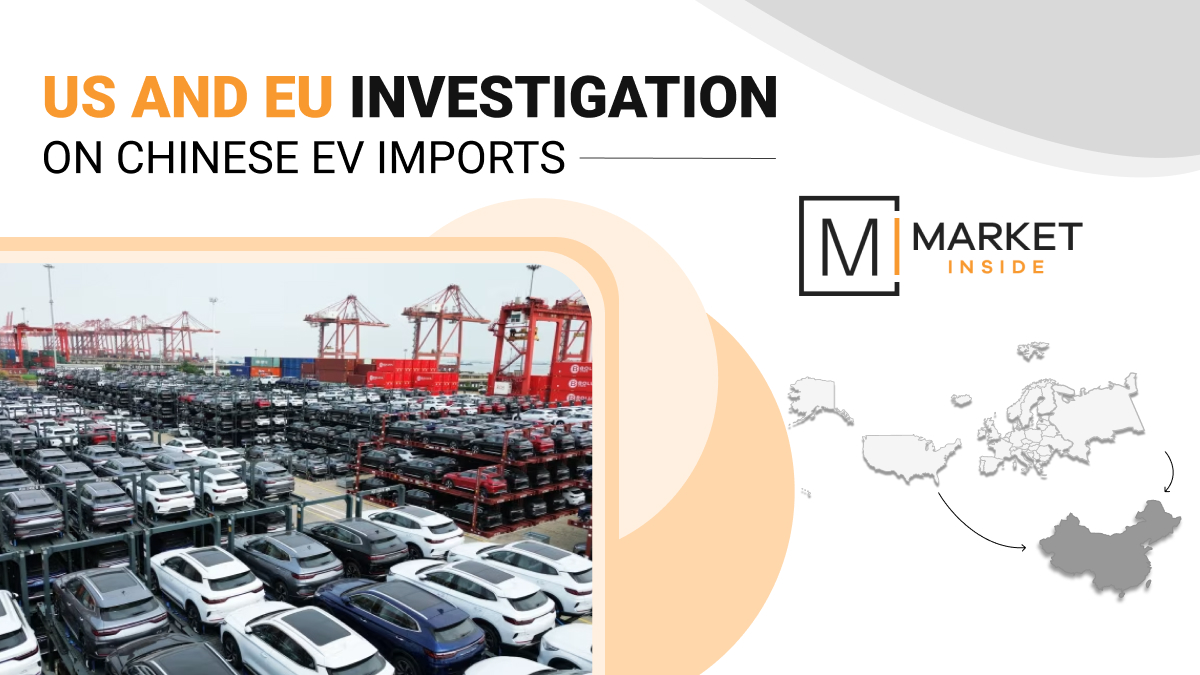
Worldwide demand for eco-friendly vehicles is witnessing double-digit growth over the year. This could be observed from traditionally fuelled power to electric run engines. And, opens the door for a billion dollar market for EVs and the business directly or indirectly associated with it. In Western countries, Chinese exporters of zero-emission vehicles have successfully replaced local industries by offering competitive prices. This raises concerns about unfair trade practices for domestic players. The US and EU imposed tariffs on China’s electric vehicles to secure their domestic market. At a G7 meeting, the EU farmed the law to impose a sharp 38% tariff on Chinese exporters associated with EVs. Let’s explore this – Electric Vehicle: The Rising Sun for Market Dominance To
Key Highlights Western sanctions on Russian and Belarussian exports, and Chinese export restrictions have created turmoil in the global fertiliser market.Buyers have been busy this year finding alternative suppliers due to the sharp drop in fertiliser exports from Russia, Belarus, China, and the European Union.Favourable weather conditions in the major growing regions during the season can ease some of the impacts of under-fertilisation, while bad weather can cause more problems. Fertilisers are essential in plants’ growth, which provides nutrients to the soil, leading to production efficacy and more optimum food production. Potassium, phosphorus, and ammonia are the primary nutrients for plant growth and these should be in the right quantity for healthy crops. Fertilisers are imported and exported across international
The USA has announced new sanctions on Russia, due to the Russia-Ukraine war. The new sanctions imposed on Russia cease to target major industries of Russia such as industrial, technological, and manufacturing. The implementation of the previous sanctions and bans, however, are creating ripple effects in the global prices of oil/gas and by default, causing the US to suffer with the same. The new decision also consists of a ban on the imports of gold made in Russia. US-Russia Bilateral Trade The bilateral trade between the USA and Russia amounts to a total value of $37.15 billion for 2021. The total imports in the USA coming from Russia amounted to $30.76 billion in 2021. The total exports of the USA