
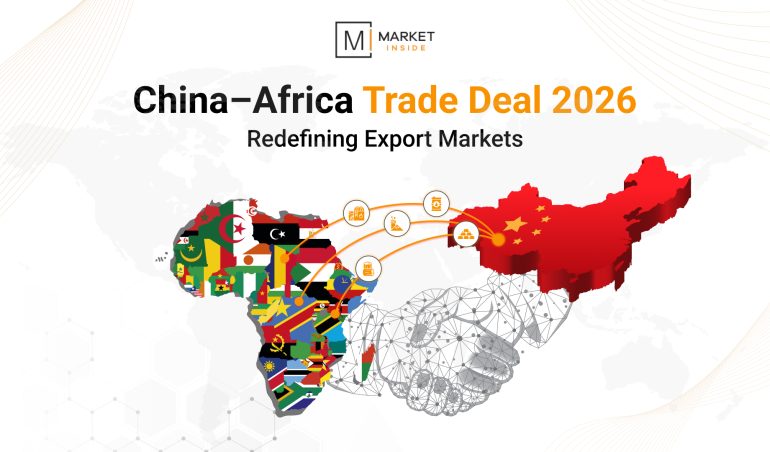
China has announced a major trade shift, implementing zero tariffs on imports from 53 African countries, a move set to reshape global trade dynamics in 2026. This decision signals deeper China–Africa economic integration, improved market access for African exporters, and a potential realignment of global supply chains. From minerals and oil to agriculture and manufactured goods, the policy could unlock new export opportunities while strengthening Beijing’s influence across the continent. But which African countries will gain the most? How will this impact global competitors like the US and EU? And what does it mean for exporters, investors, and trade intelligence professionals? In this Market Inside blog, we break down the key drivers behind China’s zero-tariff strategy, identify the biggest beneficiaries,
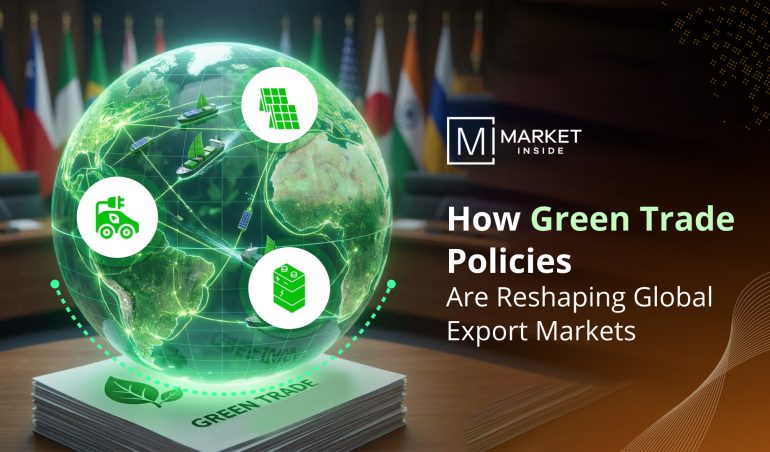
In recent years, green trade policies and regulations that incorporate environmental criteria into international trade have emerged as a major force shaping global exports. By prioritizing low-carbon production, carbon pricing, and environmental compliance, countries and blocs are shifting the rules of competition. Policies such as the European Union’s Carbon Border Adjustment Mechanism (CBAM) and evolving climate standards are redefining cost structures, supply chains, and export competitiveness. These policies intend to reduce global emissions, but they also carry significant trade and economic implications. Market Inside helps you understand connection between green trade policies and global imports and exports. What Are Green Trade Policies? Green trade policies integrate environmental concerns into trade rules and practices. They include: Carbon Border Adjustments (tariffs on
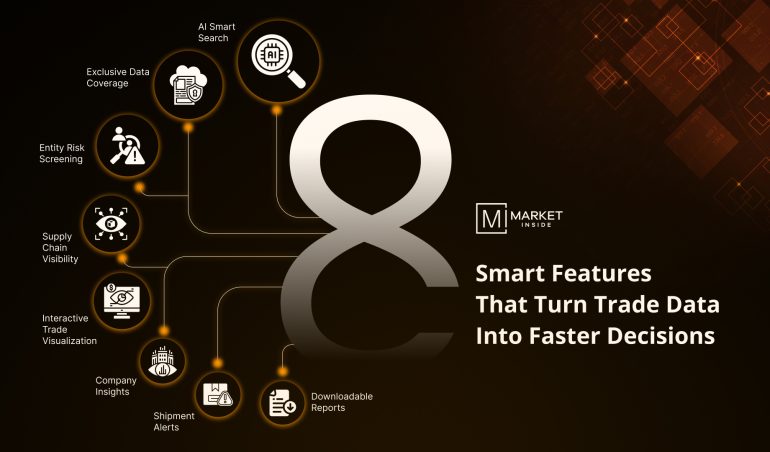
Global trade intelligence platform today isn’t short on data. It’s drowning in it. Every shipment, partners, and market generates massive volumes of information. The real challenge isn’t access. It’s speed and clarity. That’s where a modern trade intelligence platform changes the game. Instead of spending days cleaning spreadsheets or jumping between tools, leading trade, compliance, and strategy teams are shifting to platforms that convert raw trade data into actionable decisions, fast. This is exactly where Market Inside stands apart. In this blog, we will explore 8 smart features that help businesses move from data overload to confident, real-time trade decisions, without complexity. Why Faster Decisions Matter in Global Trade? Trade decisions today are time-sensitive.A delayed insight can mean: Losing a
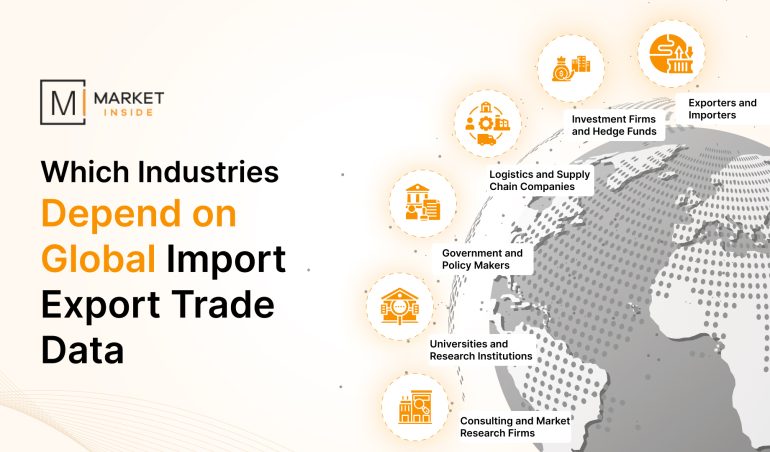
In an era defined by supply-chain disruptions, shifting trade policies, and intensifying global competition, industries can no longer rely on instinct alone. Global import export trade data has emerged as a critical intelligence layer, helping businesses understand where goods move, who controls supply, how prices fluctuate, and which markets are gaining momentum. What was once used mainly by traders is now a strategic asset for manufacturers, logistics firms, banks, investors, and policymakers alike. By analyzing shipment data, tariff trends, and buyer–supplier relationships, industries gain early signals of demand shifts, competitive threats, and growth opportunities. Those that leverage trade data make faster, more confident decisions—while those that don’t risk falling behind in an increasingly data-driven trade landscape. Market Inside explains which
Key Highlights Global trade is shifting from multilateral globalization to regional and geopolitical trade blocs, driven by supply-chain security, geopolitics, and strategic alliances. Trade fragmentation is reshaping imports and exports, with friend-shoring, near-shoring, and regional FTAs gaining priority over cost-driven global sourcing. Businesses and governments must adapt to a multi-nodal trade system, balancing efficiency, compliance, and resilience in a more complex global trade landscape. Global trade is entering a decisive new phase. The era of seamless globalization is defined by open markets, extended supply chains, and multilateral trade rules. It is gradually giving way to a more fragmented world of regional trade blocs, strategic alliances, and geopolitically aligned supply chains. Rising tariffs, trade wars, sanctions, and resilience-first policies are no
China’s electric vehicle (EV) industry, once fueled by massive state subsidies, is entering a new era. As Beijing unveils its latest Five-Year Plan (2026–2030), one of the most notable shifts is the phase-out of EV subsidies that have powered domestic demand for over a decade. Instead, policymakers are pivoting toward a model that emphasizes export growth, innovation, and global competitiveness. From Subsidy-Fueled Growth to Self-Sustaining Industry Over the past ten years, generous government support—through direct subsidies, tax incentives, and infrastructure investment—turned China into the world’s largest EV market. By 2024, China accounted for more than 60% of global EV sales. But as the EV market matures, the government believes the time has come to wean the sector off state aid.
Every product that you walk by in a store or purchase, carries a hidden story of trade data in it. The mobile phone that you operate, the car that you drive, or even the medicines that you take, is a part of an invisible link of the global supply chain, shaped largely by US China supply chain. Now, the question is – who controls global supply chains? For decades, The US and China have stood at the center of this global web. One is known for technology, innovation and products of high-value, and the other for cost efficiency and mass manufacturing. Together they are known to shape what actually reaches our home and daily lives, constantly influencing the US China
Despite mounting diplomatic pressure and the U.S.-China deal, China has continued to import significant volumes of oil from Russia and Iran. This ongoing trade reflects Beijing’s determination to prioritize energy security and economic interests over Western geopolitical concerns. As tensions rise between major global powers, China’s actions highlight a shifting international order in which traditional alliances and sanctions are increasingly tested by pragmatic national strategies. US and Chinese officials may be able to settle many of their differences to reach a trade deal and avert punishing tariffs. Still, they remain far apart on one key issue: the US demand that China halt its purchases of oil from Iran and Russia. Market Inside provides in-depth insights of China’s imports of crude
As tensions rise between global powers, China is quietly but assertively expanding its reach across Europe. From strategic investments in ports and energy infrastructure to aggressive moves in electric vehicles and green technology, Beijing sees the European Union not just as a vital export market, but as a key arena in its broader quest for global influence. Beyond trade, China seeks access to advanced European technology, deeper political ties, and a less united Western front, especially as transatlantic relations shift. This Market Inside blog unpacks what China wants from Europe, how it’s working to get it, and why the EU is increasingly wary of the costs. China’s Trade with Europe As two of the world’s largest economies, China and the