
Even after one year of post-Brexit, the dust has still not fully settled on the definitive shape of EU-UK relations as there are several as yet unresolved issues. Brexit has been a drag on growth. It brought new red tape on trade between Britain and its largest and closest market. It also removed a large pool of the European Union (EU) labour from the country on which many businesses had come to rely. The combination has impaired supply chain shortages, stoked inflation, and hampered trade. Let’s analyze a bigger picture of EU-U.K. trade 1-year post-Brexit. Customs and Supply Chain Issues Supply chain issues which began in 2020, continued in 2021 as well, not just in the EU or the UK,
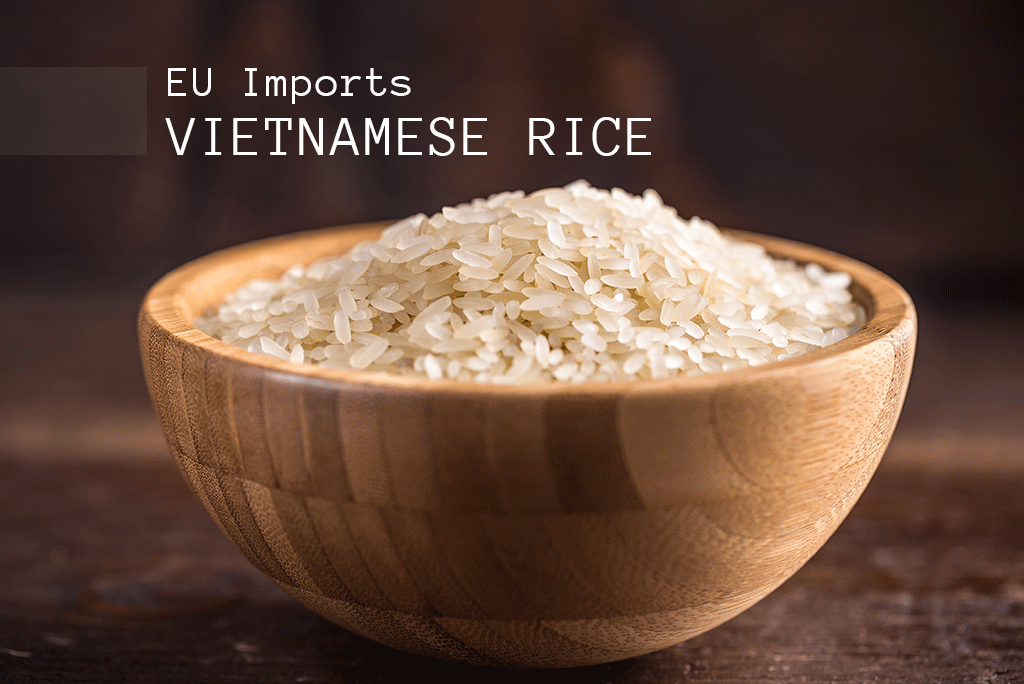
With stable and great demand for speciality rice from Asia, the European Union (EU) remains a highly potential market for rice exporters of Vietnam. Our market research report on EU imports Vietnamese rice, EU’s rice imports from Vietnam totalled US$ 38 million in 2021 (till Sep stats), an increase from the 2020s US$ 35 million. Besides Vietnam, India, and Pakistan are also the biggest rice suppliers of the EU countries. Gain market insights of the EU rice market with detailed trade information. EU Imports Rice from Vietnam According to our database, the EU imported rice worth US$ 38 million (till Sep data) from Vietnam. In quantity terms, Vietnam shipped about 60,000 tonnes of rice in the said year. The
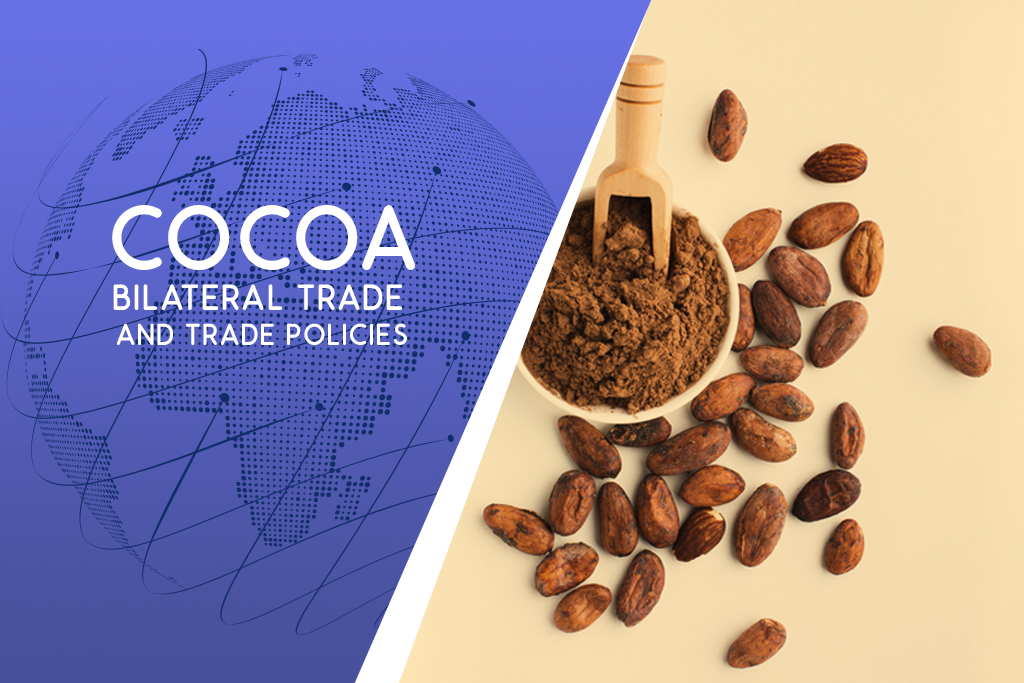
The cocoa industry is one of the most prominent and largest industries in the world. On average, cocoa farmers produce over 4 million tons of cocoa annually. The cocoa industry begins from the farming of cocoa beans which later get processed into cocoa liquor, and then into the final cocoa-based products such as cocoa butter and powder, and many other commodities. The largest producers of cocoa beans are the two countries in the African continent, i.e., Côte d’Ivoire and Ghana. Both countries account for almost two-thirds of the cocoa production in the world, contributing almost more than 50% (around 60% or so) of the world’s cocoa production. While the biggest ‘producers’ of cocoa beans are in the African continent, the
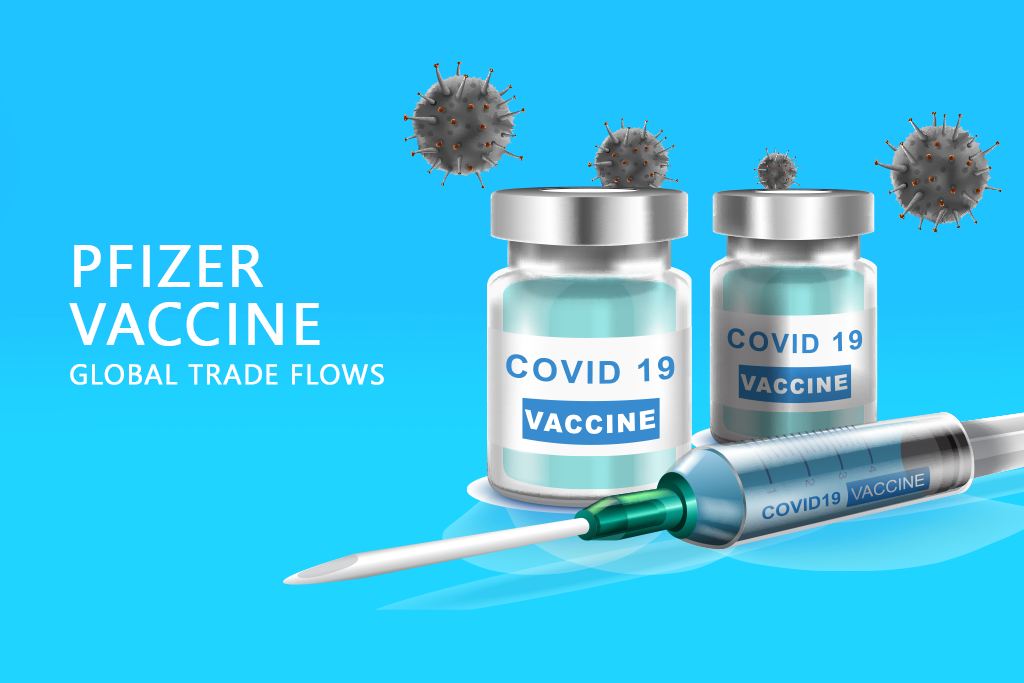
Monday, August 23, 2021, marked the day for the Pfizer-BioNTech COVID-19 vaccine to be officially approved by the Food and Drug Administration (FDA). Pfizer-BioNTech COVID-19 vaccine is the first vaccine to be authorised under the name of FDA for 16 years and above. Pfizer-BioNTech COVID-19 vaccine was put in the third phase of a clinical trial in November 2020. In December 2020, the Pfizer-BioNTech COVID-19 vaccine was approved by the United Kingdom, making it the first vaccine to be authorised for use on an emergency basis. It was previously approved as an Emergency Use Authorization (EUA) vaccine, but now it is fully approved to be utilised by 16 years and above of age. However, EUA is still applied only for
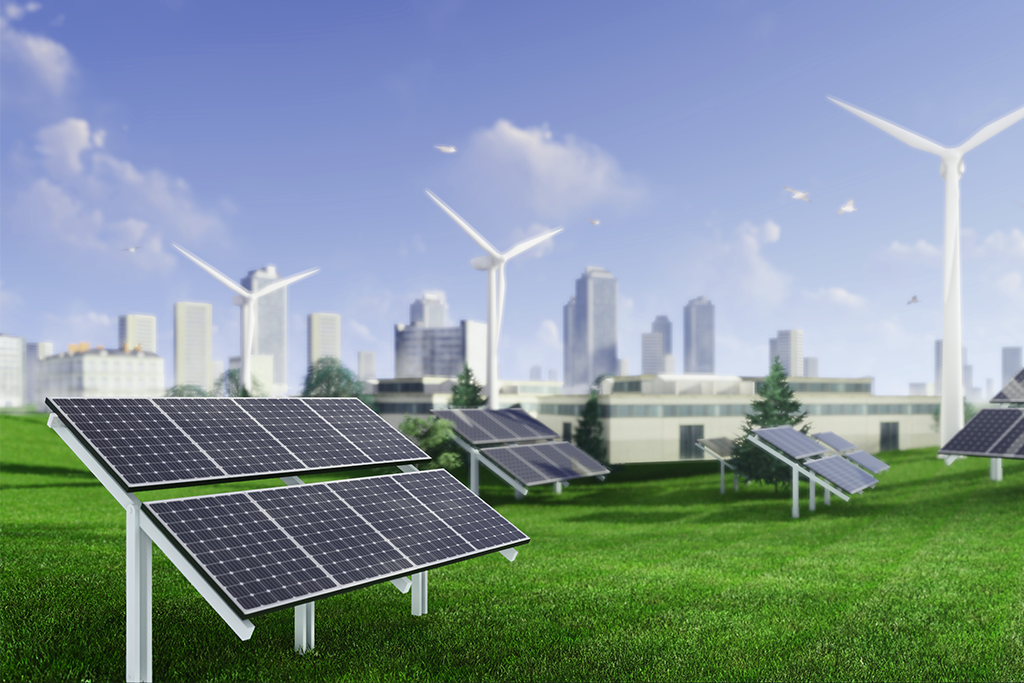
Key Highlights: EU set a target to produce 50% green hydrogen from renewable power“Fit for 55” proposal also aims to generate 40-GW electrolyser capacity by 2030EU and China are the biggest competitors in green hydrogen industry The European Union has set a target to cut 55% greenhouse gas emissions by 2030 under its “Fit for 55” proposal. It will impose new laws across numerous sectors to achieve this target. The EU also aims to generate 40-GW electrolyser capacity, producing 10 million MT/year of green hydrogen. The European Commission’s 2030 green hydrogen targets will require huge amounts of renewable power generation. EU’s Fit for 55 Proposal The European Commission has released its “Fit for 55” legislation package, supporting its commitment to