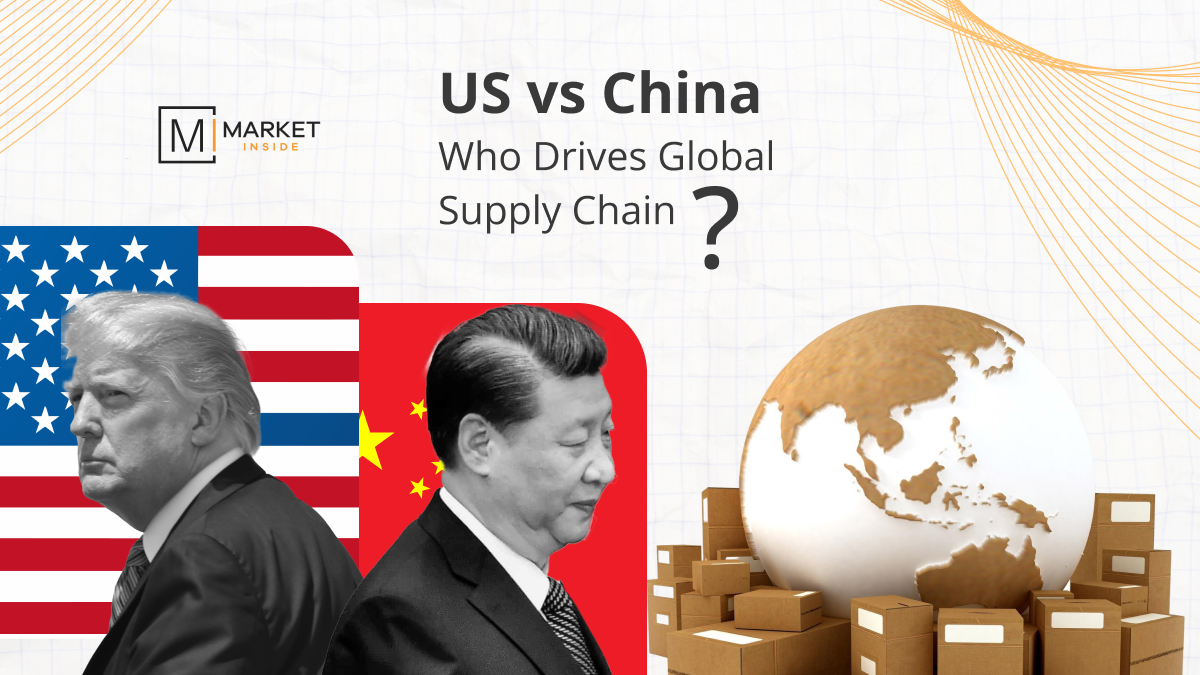

Every product that you walk by in a store or purchase, carries a hidden story of trade data in it. The mobile phone that you operate, the car that you drive, or even the medicines that you take, is a part of an invisible link of the global supply chain, shaped largely by US China supply chain. Now, the question is – who controls global supply chains? For decades, The US and China have stood at the center of this global web. One is known for technology, innovation and products of high-value, and the other for cost efficiency and mass manufacturing. Together they are known to shape what actually reaches our home and daily lives, constantly influencing the US China
Summary:- Trade compliance is a set of rules and regulations for a country’s exports and imports. Export control is a set of rules and regulations enacted by the government that limit the movement of certain goods. Businesses that fail to comply with trade regulations face penalties. In today’s world, the transportation of goods from one place to another is witnessing significant growth over the years. This makes the world hyper-connected. Products, services, and technology are now moving across borders than ever before. From startups in Texas to those in Berlin, the web of international trade has made the world smaller and filled it with growth opportunities. As global trade becomes more interconnected, the responsibility of moving goods efficiently and legally
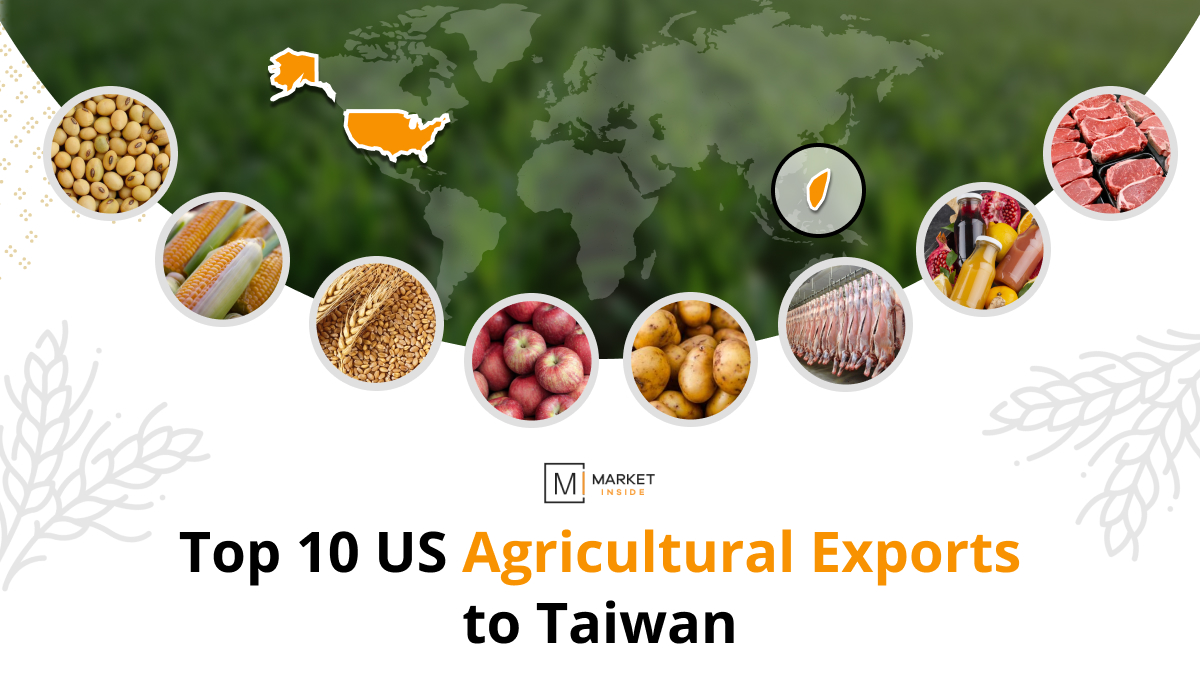
The bilateral trade relationship between the United States and Taiwan is characterised by a robust and dynamic connection founded on shared democratic values and mutual economic interests. In the South China Sea, Taiwan is a strong and reliable trade partner, ranking among the top U.S. trading partners globally. Further, Taiwan is critical in global supply chains and contributes significantly to the U.S economy. The economic ties deepen as Taiwan’s geographical limitation necessitates significant food imports, and the U.S. plays a critical role, making Taiwan the top market for U.S. agricultural products. This dependency is clear in key commodities like beer, soybeans, corn, etc., ensuring food stability and economic well-being. United States Agriculture Export to Taiwan According to Taiwan’s trade data,
Despite mounting diplomatic pressure and the U.S.-China deal, China has continued to import significant volumes of oil from Russia and Iran. This ongoing trade reflects Beijing’s determination to prioritize energy security and economic interests over Western geopolitical concerns. As tensions rise between major global powers, China’s actions highlight a shifting international order in which traditional alliances and sanctions are increasingly tested by pragmatic national strategies. US and Chinese officials may be able to settle many of their differences to reach a trade deal and avert punishing tariffs. Still, they remain far apart on one key issue: the US demand that China halt its purchases of oil from Iran and Russia. Market Inside provides in-depth insights of China’s imports of crude
As tensions rise between global powers, China is quietly but assertively expanding its reach across Europe. From strategic investments in ports and energy infrastructure to aggressive moves in electric vehicles and green technology, Beijing sees the European Union not just as a vital export market, but as a key arena in its broader quest for global influence. Beyond trade, China seeks access to advanced European technology, deeper political ties, and a less united Western front, especially as transatlantic relations shift. This Market Inside blog unpacks what China wants from Europe, how it’s working to get it, and why the EU is increasingly wary of the costs. China’s Trade with Europe As two of the world’s largest economies, China and the
In a significant move that signals growing strategic assertiveness from European powers, the United Kingdom and the European Union have jointly imposed a fresh round of sanctions on Russia — notably without waiting for coordination or backing from the United States. Russia has already been under sanctions from the EU, UK, and other countries due to its attack on Ukraine. Everything about this development is explained here with Market Inside stats. A Decisive European Step The new sanctions, announced in mid-May 2025, target key sectors of the Russian economy, including energy, finance, and defense, as well as several high-ranking Russian officials and companies. The measures are seen as a direct response to ongoing Russian aggression in Ukraine and its broader
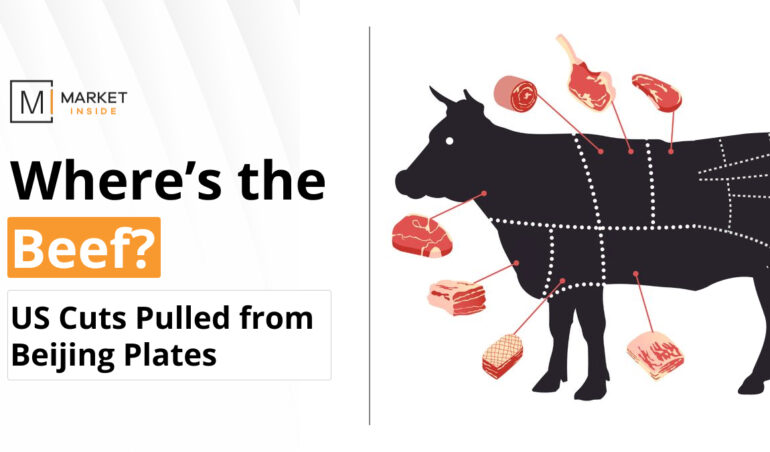
As the U.S.-China trade war simmers into its latest chapter, the fallout is now being felt on dinner plates across Beijing. American-style restaurants in the Chinese capital quietly remove U.S. beef from their menus, citing rising tariffs, supply disruptions, and growing uncertainty in the import market. Once a staple of upscale dining and Western-themed eateries, U.S. beef is becoming harder to find, both for chefs and the customers who crave it. How much beef does the US export to China and other countries? Will Australia fulfil China’s demand for beef? Everything is explained with crucial US beef export data in this article. The US-China trade war means American beef, once the star ingredient, will soon be off the table. American
The global trade market has recently experienced significant turbulence, majorly affecting stock markets worldwide. The sudden implementation of heavy tariffs by the US under the presidency of Donald Trump has triggered panic throughout the world. What earlier looked like a policy decision has now turned into a trade war. According to a report published by Bloomberg quoting JPMorgan Chase & Co chief US economist, Michael Feroli said that “The forecasted contraction in economic activity is expected to depress hiring over time to lift the unemployment rate to 5.3%.” Let us break down into what’s really happening and what it could mean for the future. Trump’s Tariff Announcement and China’s Response On 2nd of April 2025, US President Donald Trump announced
The potential imposition of significant U.S. tariffs starting April 2, 2025, indicates economic uncertainty, leading to a substantial rise in the price of goods for consumers and businesses. This significantly impacts domestic manufacturers and international companies facing disrupted supply chains and increased import costs. To cushion the domestic market against the tariff war, the US Federal Reserve has maintained higher interest rates. However, this dampens economic activity and raises potential fears of a global slowdown, fracturing international commerce and fueling trade wars across regions. This raises concerns for businesses, investors, and policymakers worldwide. How Trump’s Tariffs Are Sparking Chances of US Recession The fear of the US recession is continuously growing, and several factors are responsible for this, which are